As global demand for zero-emission cleaning equipment accelerates, more importers are going factory-direct to source electric street sweepers at wholesale pricing without the margin layers of a middleman. But choosing the right manufacturer partner requires more than comparing price lists. This guide covers the features and criteria that matter most — from certification and brush configuration to battery endurance and after-sales support.
1. Start with Certification — Before Anything Else
CE and ISO 9001 certification are the baseline requirements for any importer shipping into the EU, UK, or regulated markets in Southeast Asia and the Middle East. Ask the manufacturer for original certificates — not scanned copies — and verify the issuing body. A credible electric sweeper supplier will provide documentation proactively and be able to answer technical questions about the standards their products are tested against.
2. Brush System: Why Configuration Defines Cleaning Quality
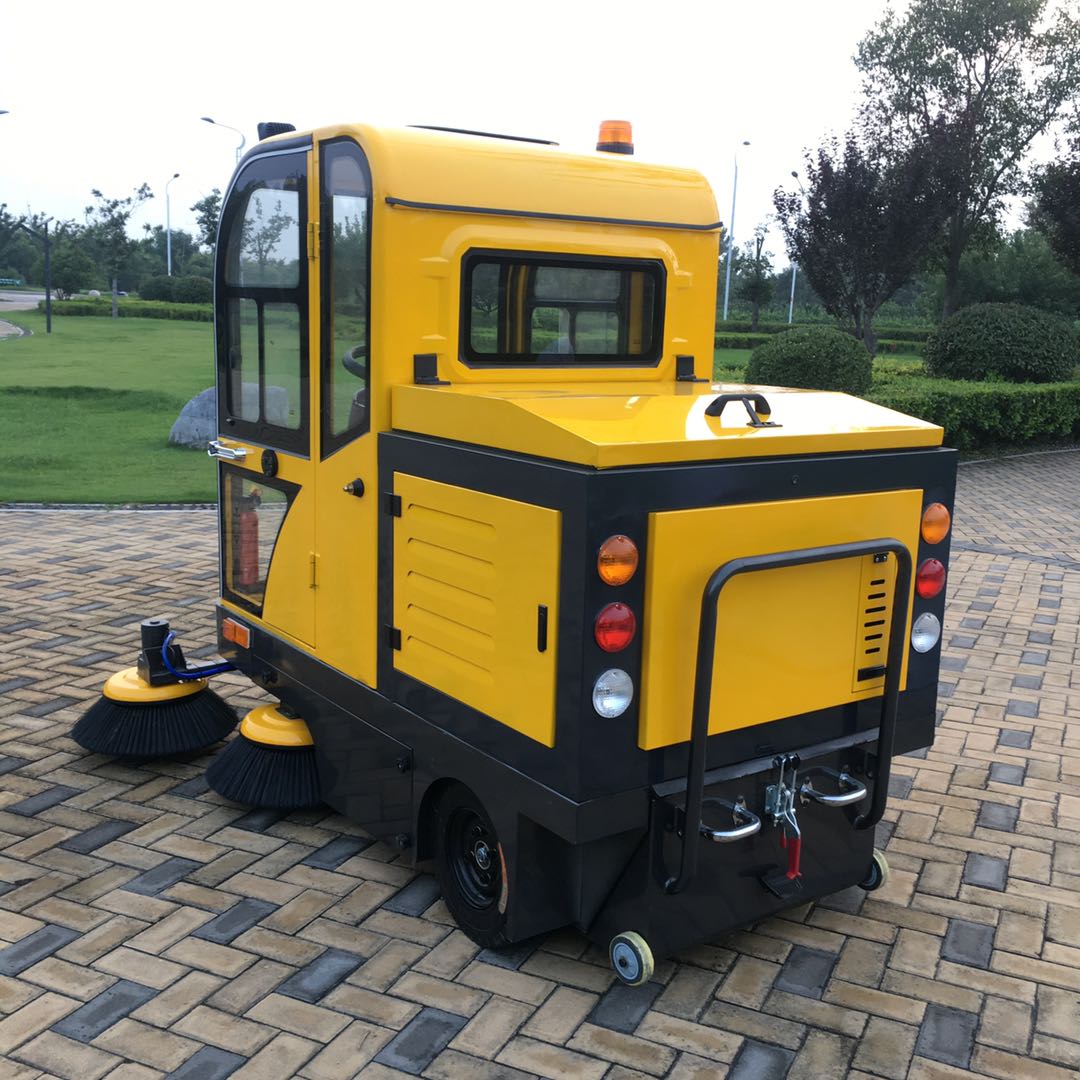
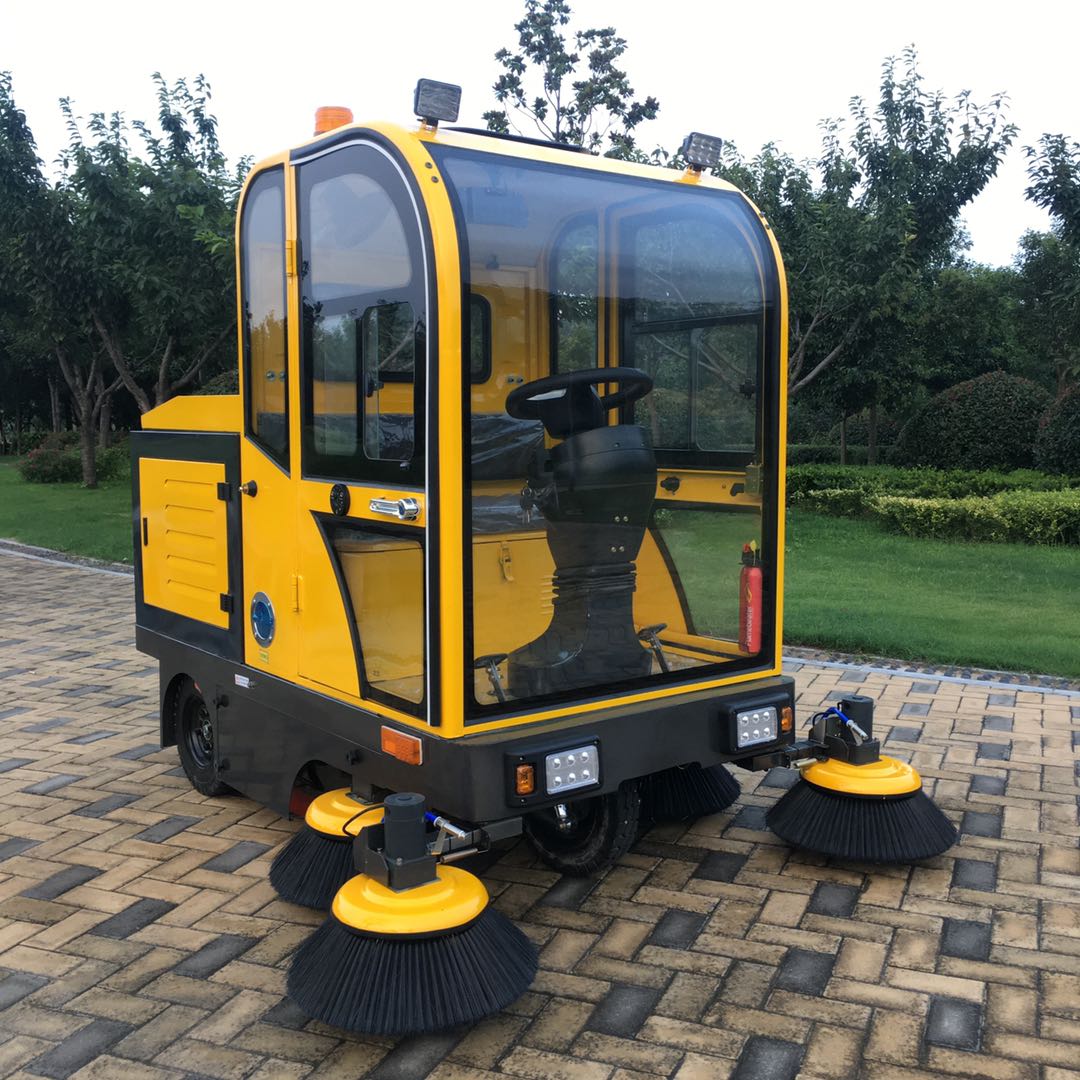
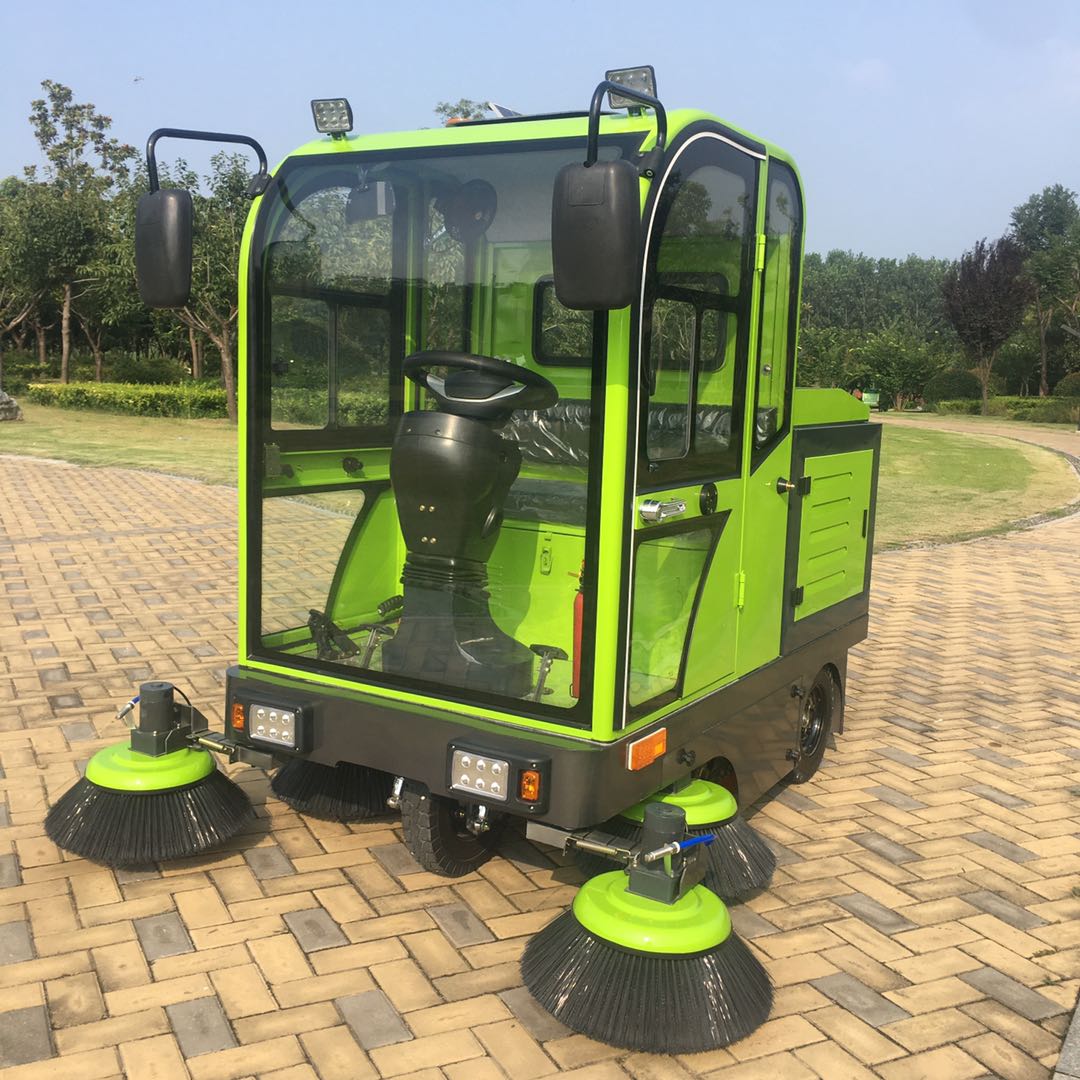
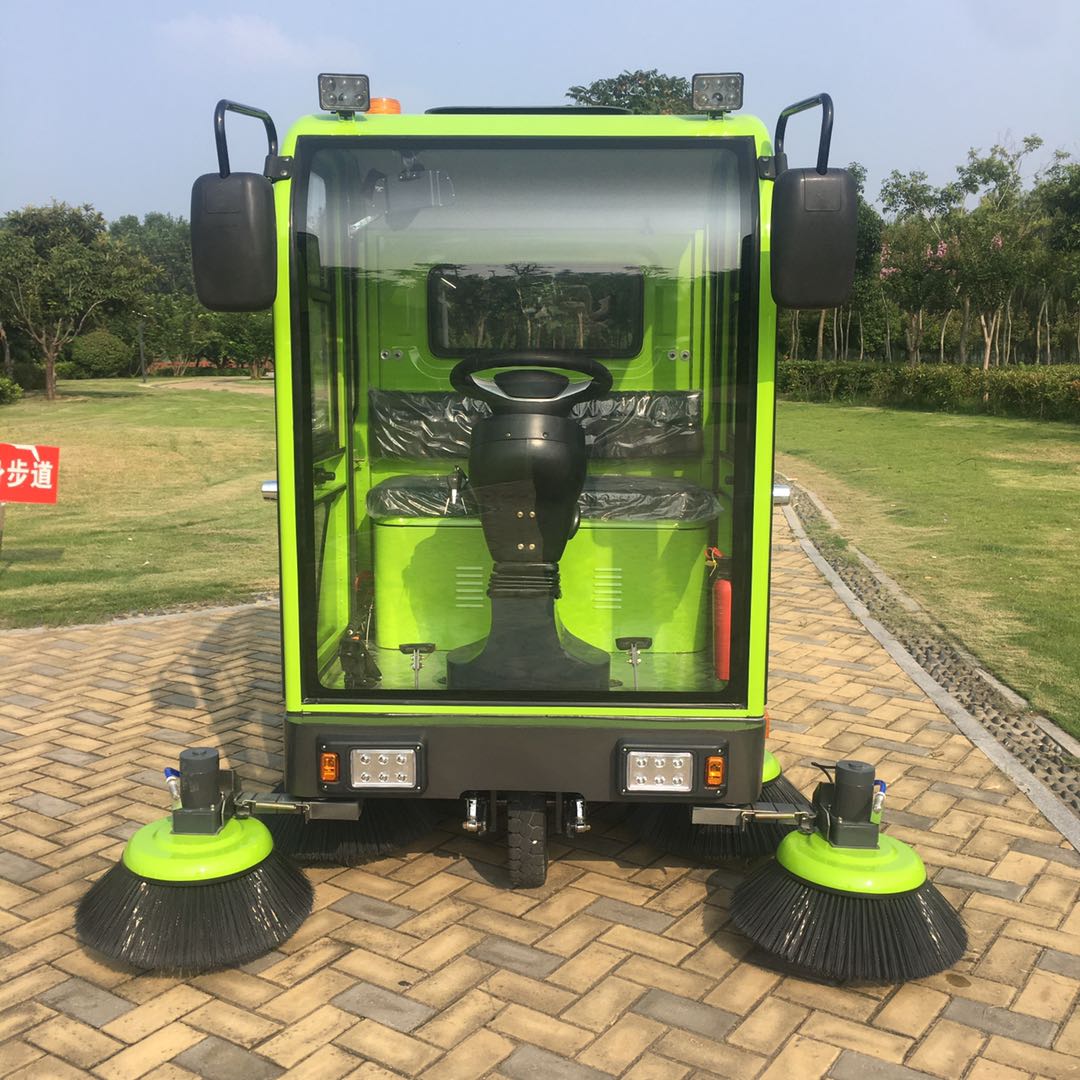
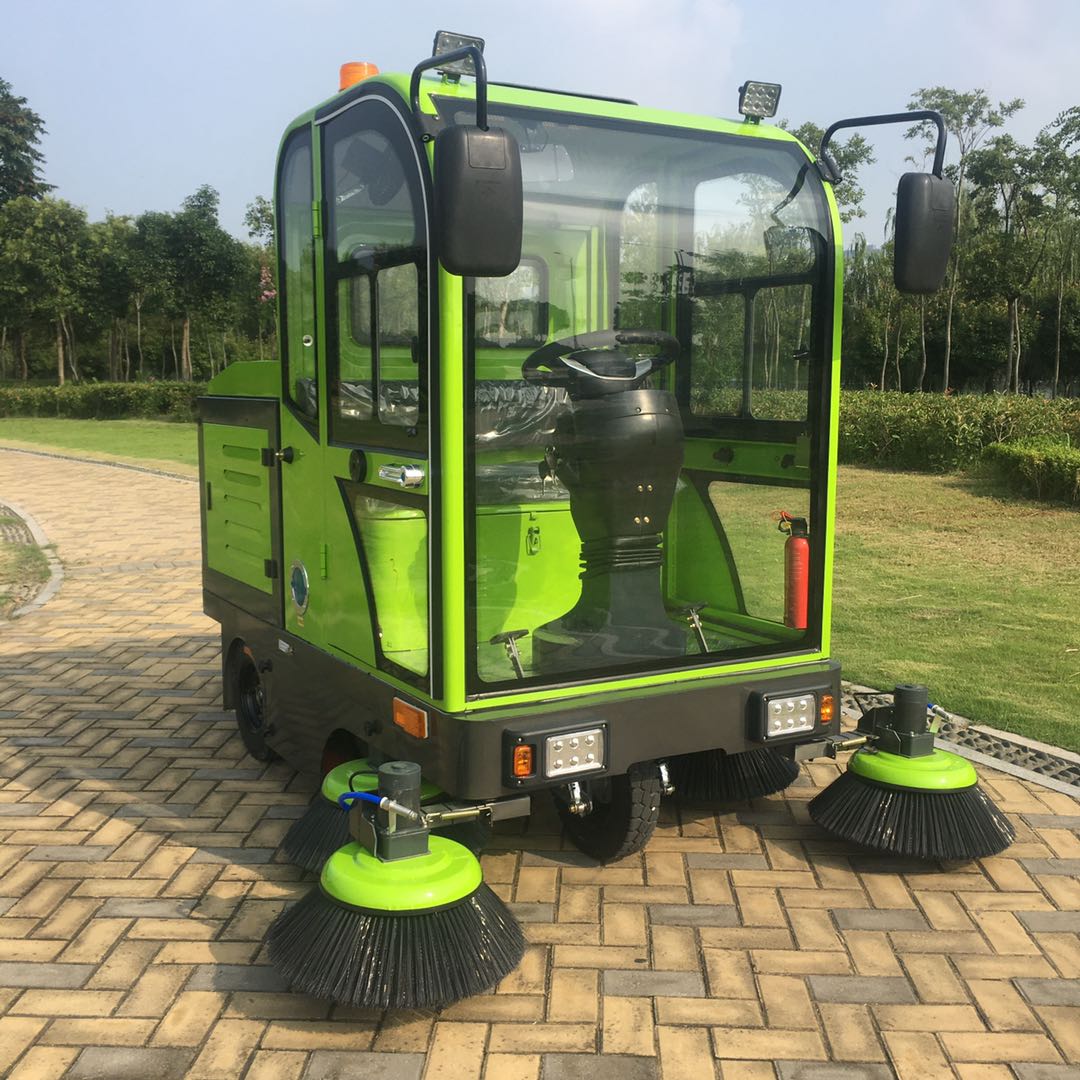
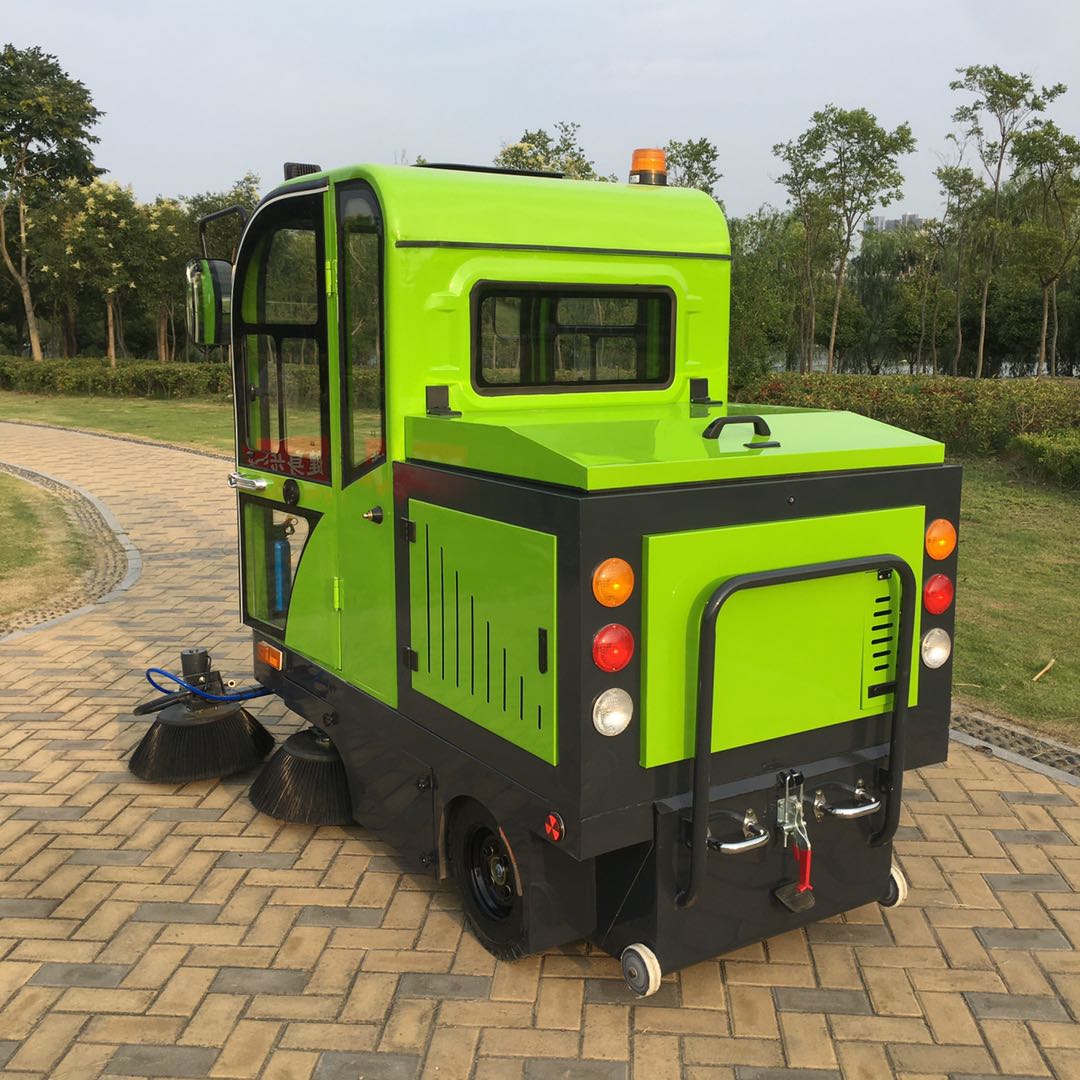
The number and arrangement of brushes determines how thoroughly a sweeper cleans in a single pass — and how much re-work your end clients will need to do. The enclosed five-brush system on the Type-B model is a strong example of what a high-performance unit delivers: two front side brushes pick up debris from edges and corners, two rear side brushes direct material toward the center, and a 700mm main roller brush provides the primary sweeping action. This configuration achieves a total sweeping width of 1,900mm, covering 8,000 to 15,000 m² per hour — a meaningful productivity gain over three-brush alternatives in the same class.
3. Battery Specifications: Runtime Under Load Is What Matters
Manufacturers often quote battery capacity in Ah and voltage, but what importers and their customers really need to know is runtime under working load — not idle. The Type-B model runs on a 48V system with 100Ah to 150Ah battery options and delivers 4 to 8 hours of continuous operation per charge. When comparing units from different factories, always ask for runtime data at full brush engagement and water-spray activation, since those are the conditions your customers will actually operate in. Battery cycle life and replacement cost are equally important: a lower-priced unit with a short-lived pack can cost significantly more over a three-year horizon.
4. Key Specifications at a Glance
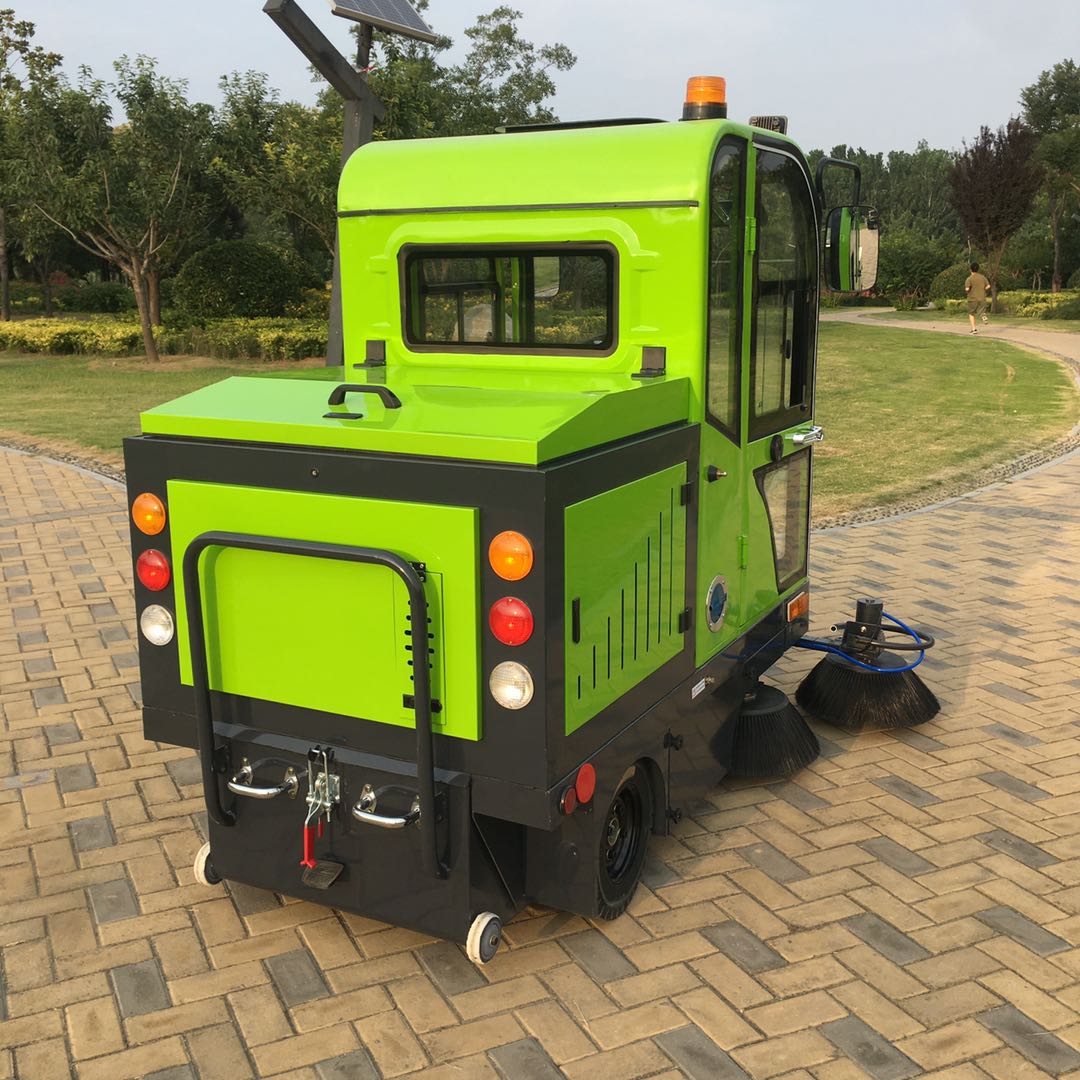
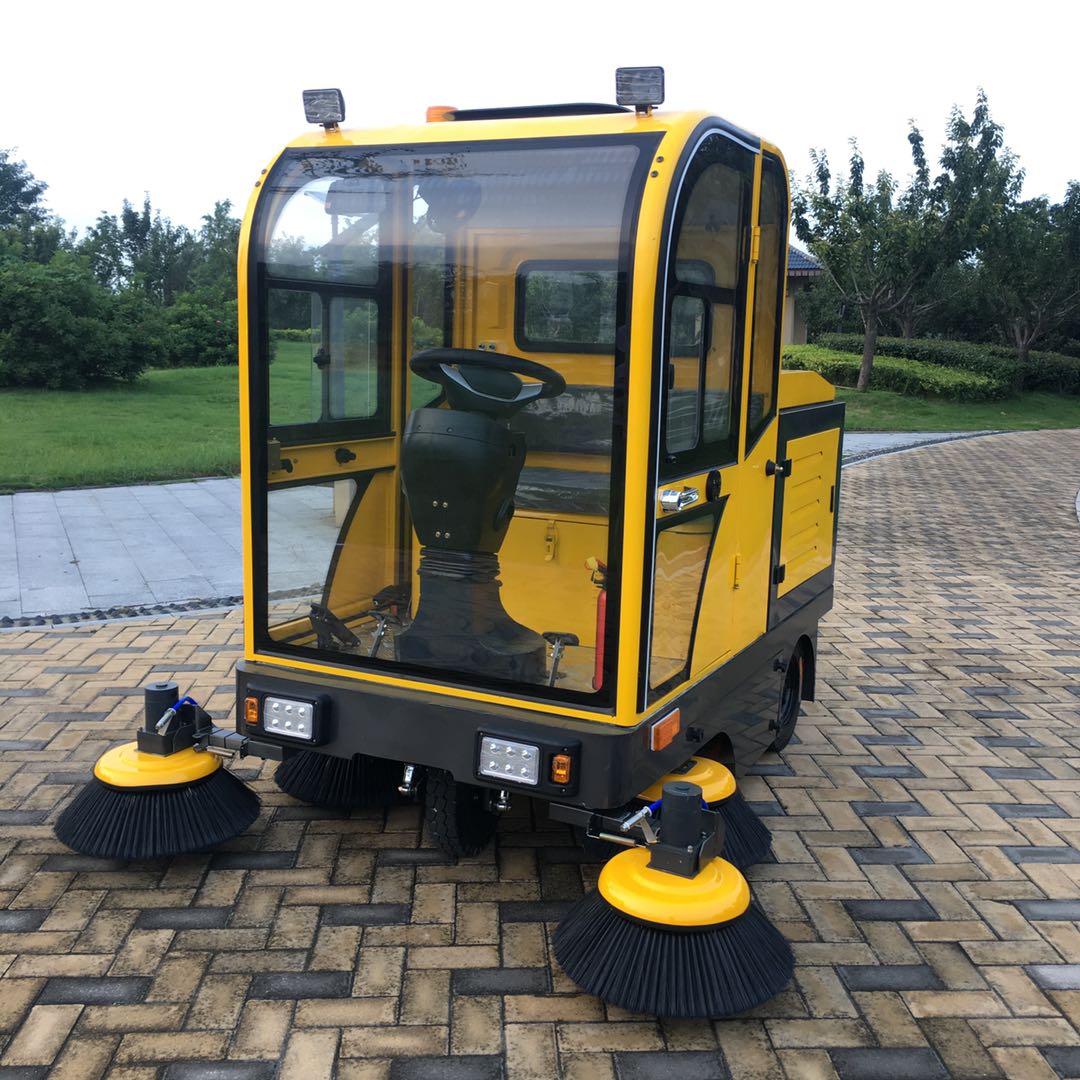
Below are the core specifications for the Enclosed Five-Brush Type-B — a reference point for importers benchmarking units in this performance class:
| Feature | Details |
|---|---|
| Travel Speed | 0 – 12 km/h |
| Sweeping Width | 1,900 mm |
| Work Efficiency | 8,000 – 15,000 m²/h |
| Roller Brush Motor | 700 W |
| Drive Motor | 800 W |
| Battery System | 48V / 100Ah – 150Ah |
| Operating Time | 4 – 8 hours per charge |
| Waste Hopper | 180 L |
| Water Tank | 80 L |
| Operating Weight | 625 kg |
| Dimensions (L×W×H) | 1,950 × 1,900 × 1,900 mm |
5. See It in Action Before You Order
Video demonstrations on the specific surface type your customers will clean are one of the most reliable pre-purchase signals available. Ask any commercial electric sweeper wholesale partner for video footage of the exact model operating on concrete, asphalt, tile, or the relevant substrate. Watch for debris pickup completeness, dust suppression performance, and turning radius in confined spaces.
6. Choosing a Reliable Electric Sweeper Wholesaler
Beyond specifications, the right electric sweeper wholesaler should offer transparent tiered pricing (typically from 5 units), confirmed spare-parts availability in your region, a clear warranty policy, and documented export logistics — including container loading, customs documentation, and freight routing. OEM and custom-branding capability is also worth verifying early if your business model requires it. Factories that invest in export infrastructure tend to be more reliable partners over a multi-year supply relationship than those handling international orders on an ad-hoc basis.