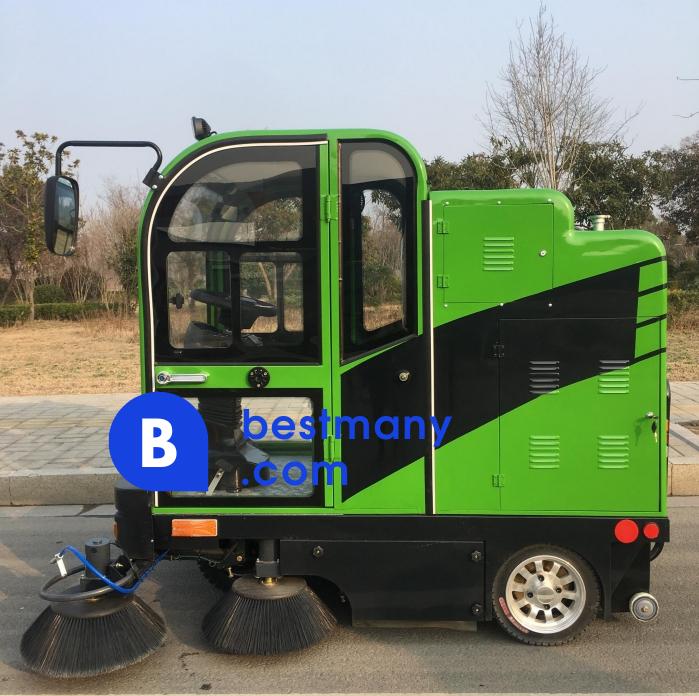
Choosing the right cleaning equipment is a decision that affects labor costs, air quality, and facility uptime for years to come. This guide walks facility managers, procurement officers, and operational directors through the four factors that matter most when evaluating an electric sweeper: platform type, battery life, sweeping width, and surface compatibility.
Walk-Behind vs. Ride-On: Which Fits Your Facility?
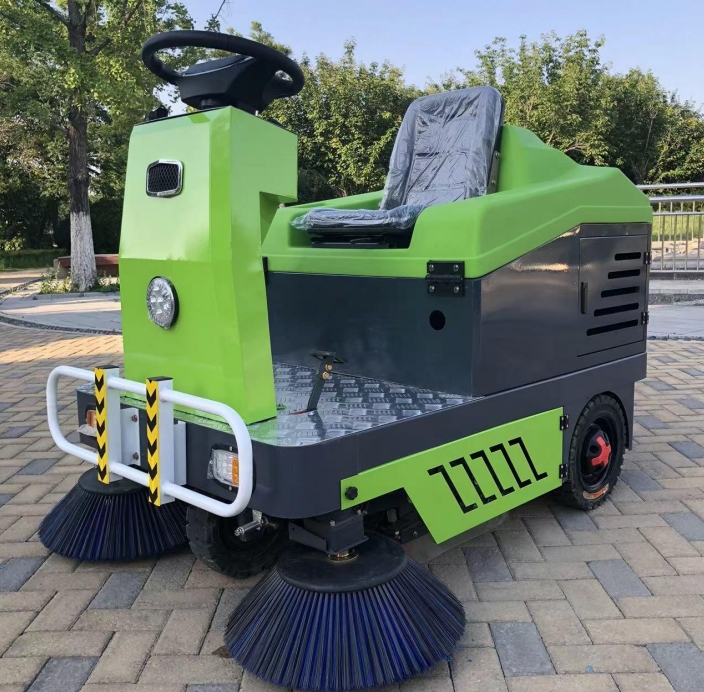
Walk-behind units are compact, affordable, and ideal for narrow aisles, retail floors, and tight indoor spaces where maneuverability matters more than raw coverage. Ride-on sweepers trade a larger footprint for speed and operator comfort, making them the better choice for warehouses, parking structures, and large industrial floors.
For enclosed environments that demand dust containment and operator protection, an electric indoor full closed piloted sweeper manufacturer can supply cabin-style ride-on models built specifically for that use case. If your operation spans multiple building types, sourcing from a commercial electric sweeper wholesale partner lets you mix walk-behind and ride-on units under one purchase order.
Battery Life: How Long Can You Really Run?
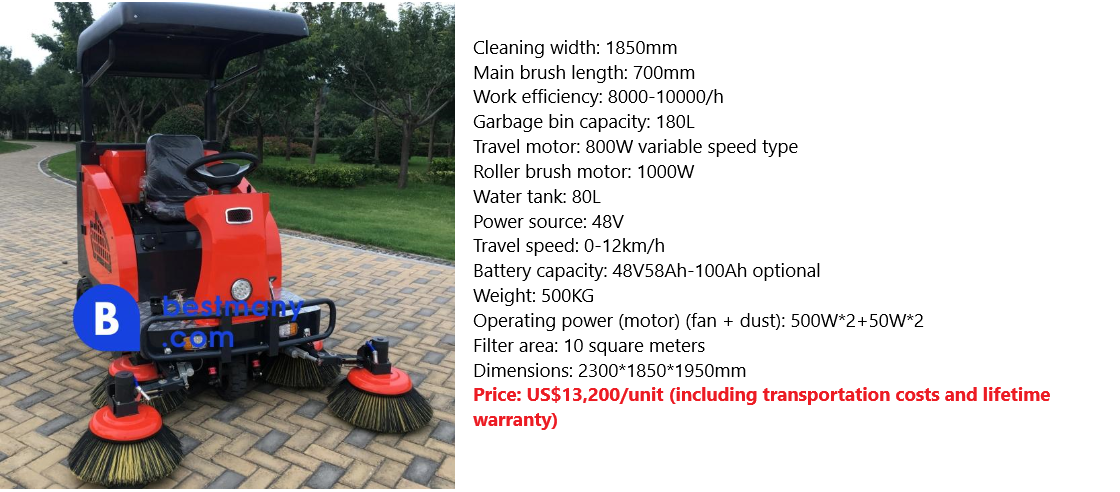
Lithium-ion packs now deliver several hours of continuous operation per charge, but real-world runtime depends on brush load, water-spray usage, and floor conditions. Ask suppliers for runtime figures under full working load, not just idle specifications, and confirm charging time and battery cycle life before committing to a fleet order.
Sweeping Width: Matching Machine to Your Space
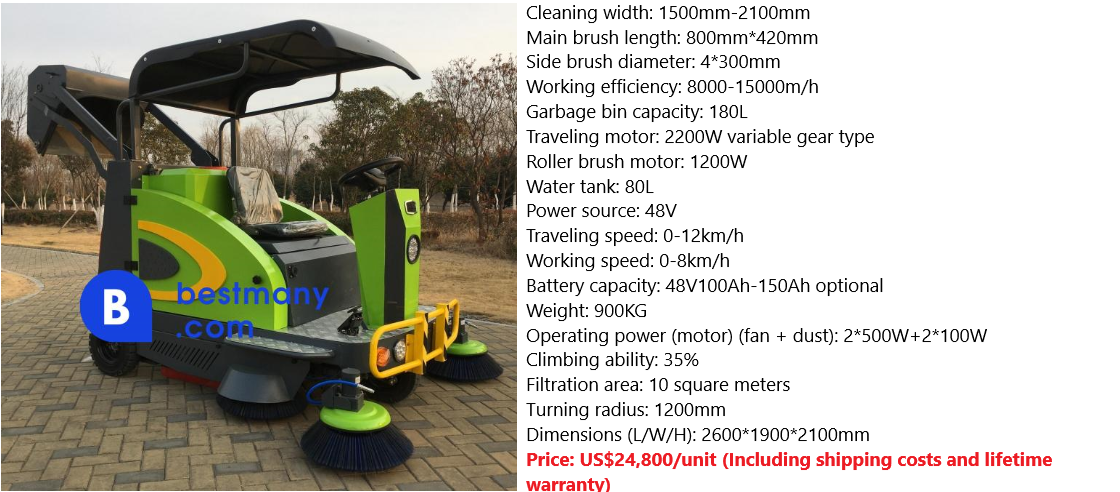
Sweeping width determines how many passes a job requires. Narrow-width machines suit cluttered retail and hospitality floors, while wider machines cut labor hours on open warehouse and yard surfaces. A multi-functional electric sweeper wholesaler can help you specify width alongside brush configuration and suction power so one machine handles several cleaning tasks.
Surface-Type Compatibility
Concrete, asphalt, tile, and epoxy floors each respond differently to brush pressure and wheel type. Outdoor municipal routes call for rugged, weather-resistant builds, which is why many buyers work with a pure electric road sweeper wholesaler for road-grade equipment engineered for asphalt and variable terrain.
Buying Direct from a Trusted Wholesaler
Whichever configuration you choose, partnering directly with an established electric sweeper wholesaler ensures CE and ISO-certified quality, transparent wholesale pricing, and reliable after-sales support. Request specifications and a formal quote before you finalize your fleet decision.
A Quick Pre-Purchase Checklist
Before signing a purchase order, confirm brush and filter replacement costs, spare-parts availability in your region, warranty terms, and minimum order quantity for wholesale pricing tiers. Ask for video demonstrations of the exact model on a surface similar to your facility, and compare quoted sweeping width against your actual aisle and lane dimensions rather than published maximums. A short site survey, even done remotely with photos, can prevent costly mismatches between machine capability and daily workload.